
Late payment or worse, non payment, is the bane of start ups and small firms. According to Bacs research, small and medium sized businesses in the UK are owed tens of billions in late payments at any given time, placing serious strain on cash flow and day to day operations. Not surprisingly thousands of firms struggle or fail every year with late payment being a major contributing factor when money owed does not arrive on time for work done or products provided. The good news is there are several steps you can take to ensure that you get paid on time.

Invoice Properly
The best way to ensure you get paid promptly is to send the invoice on time to the right person at the right place, and make sure it contains all the details which are needed to get it through their payment system i.e. make sure to include VAT if applicable. You may need to include a particular reference number, for example. If in doubt, ring and check. A large firm will have many invoices to process, and if you don’t get things right, your invoice will be left to languish at the bottom of the pile. If delayed invoices are a constant problem or supplier terms are long you could also consider invoice financing or using reliable payment processing solutions available here to get paid faster.
Check Customer Credit
A credit check will look at their financial position and see whether they have failed to pay others in the past, amongst other things. Some high street and commercial banks now offer a limited credit checking service for their customers, ask yours what they can offer you. You can also ask a credit checking agency such as Experian or Equifax for a credit check report which usually includes trade references and information on any county court judgments against a company. You can also do some credit checking yourself and ask the customer for a copy of its latest filed accounts and up to date management accounts. Ask also for trade references which you can call to check if the customer pays on time and is easy to deal with. You could also speak to the trade association which represents your customer’s industry. Sometimes it may be willing to tell you if a company is bad news. A word of warning too, beware of new clients who suddenly give you a big order, it may be that they have been refused credit by their regular suppliers. So ask around your industry contacts to find out the real story, and if in doubt refuse to take the order unless they agree to pay upfront.
Promptly Chase Payments
Contact the customer a few days before the bill is due to remind them it needs paying, and then ring them the day it is due, and then continue to ring them until it is paid. Small businesses are often squeamish about ringing people up to ask them for money, especially if it is someone they have a good working relationship with. But you must protect your enterprise. If phone calls do not get you anywhere, a formal letter on headed notepaper from your firm’s credit control department or from a commercial solicitor often produces results. This is called a letter before action and gives the customer a last chance to pay before things get serious. Also, in the small print on your invoice include a line saying that you are entitled to charge customers interest on late payments at a certain percentage above bank rate, under the Late Payment of Commercial Debts Interest Act. Often simply reminding customers you can charge this will encourage them to pay up.
Considering Switching to Direct Debits
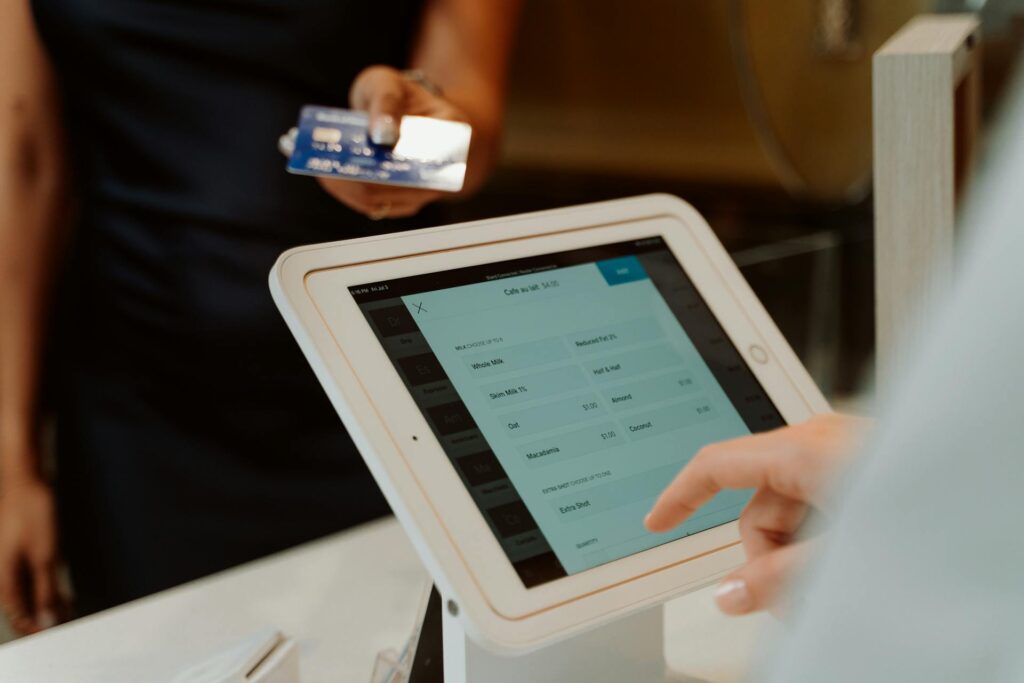
Direct debit is a small firm’s best friend because once your customer has signed up to it, it allows you to collect payment directly from their bank account when an invoice is due. And if there are regular recurring payments owed it will deal with those too without you having to invoice and chase each time. Encourage customers to sign up to direct debit by offering a small discount, say 5 percent, on their bill or some other incentive.
Court action as a Last Resort
This should not be embarked on lightly as it will involve time, effort and money and will be a distraction from running the business. Also, you should never begin court action for non payment unless you are sure the other side has the money to pay. If there is any suggestion of them facing insolvency or bankruptcy, forget it. You also need to be aware that even if the court finds in your favour, it will not pursue the money for you. It is up to you to do that and, if the other side still refuses to pay, you could find yourself no better off or back in court. If you are owed less than 10000 pounds, you can usually go through the small claims track of your local county court. You must pay a small fee to start a claim, which varies according to the size of the unpaid bill. For unpaid bills above this amount, claims may move to different court tracks depending on value and complexity, and in some cases the High Court may be appropriate. A solicitor is useful for these routes. In Scotland, lower value claims are dealt with by the sheriff court under the Simple Procedure. Once you have lodged your claim, the customer has two weeks to respond. Given this last chance, it may finally pay up to avoid going to court. If it continues to dispute the claim, however, a hearing will be held at which each side will present their case to a judge. In some cases, even though it may go against every natural instinct and feel extremely unfair, the wisest thing may be to write off the outstanding payment. Particularly for small amounts, you need to think very carefully about whether the money you stand to gain is worth all the distraction and disruption to your business.